What Is Long-Sightedness?

Explaining hyperopia, it's causes and what you can do about it.
Reading Time: 3 minutes
Hyperopia

Hyperopia, more commonly known as long-sightedness, is a common vision condition that affects how you can see objects at different distances.

People with hyperopia are usually able to see distant objects more clearly, while near tasks such as reading, writing, or using a computer may appear blurry or uncomfortable.

This happens when the eye is slightly shorter than average, or the cornea has less curvature than it should. As a result, incoming light focuses just behind the retina instead of directly on it. If you imagine how a camera lens projects light onto film, you can picture the problem: if the focus falls behind the film rather than directly on it, the image looks blurred.

The eye has a natural ability to adjust and compensate to some extent, especially in younger people. However, this extra effort can lead to visual strain.

More significant levels of hyperopia can cause consistent difficulty with near vision, and sometimes even affect distance vision if the eye muscles tire from constant over-focusing.

Common Symptoms of Hyperopia

The signs of long-sightedness can vary depending on age and the degree of the condition. Some people may not notice symptoms until later in life, while others experience them early on.

Typical symptoms include:

  • Blurry vision when reading or doing close work
  • Squinting to see more clearly
  • Eye strain or fatigue after tasks such as using a computer
  • Headaches, especially after prolonged near work
  • Difficulty concentrating on detailed tasks

Children with untreated hyperopia may sometimes avoid reading or schoolwork because of the discomfort it causes, which is one reason regular eye checks from a young age are so important.

How Hyperopia Is Diagnosed

A comprehensive eye examination is the only way to accurately detect and measure hyperopia.

During the test, your optometrist will assess how your eyes focus light, check for clarity of vision at different distances, and evaluate the overall health of your eyes.

Because symptoms can be subtle or mistaken for tiredness or stress, many people are unaware they are long-sighted until they have an eye test. Early detection means clearer, more comfortable vision and reduced risk of eye strain.

Correcting Long-Sightedness

The good news is that hyperopia is very straightforward to manage. Several options are available, depending on your lifestyle, age, and visual needs:

Prescription glasses:

The simplest and most common solution. Glasses with lenses designed for hyperopia bring the focus point forward so that light lands correctly on the retina.

Contact lenses:

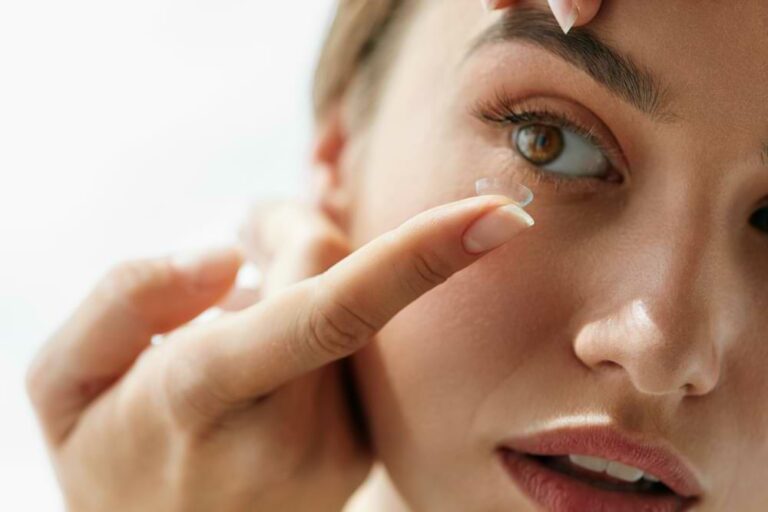
A convenient alternative to glasses, available in a wide range of designs, including daily and extended wear options.

Prescription sunglasses:

A great choice for those who spend a lot of time outdoors, providing both clear vision and UV protection.

Multifocal or progressive lenses:

Correct vision at multiple distances for those who also experience presbyopia (age-related near vision changes).

Laser eye surgery:

For eligible patients, procedures such as LASIK or PRK can reshape the cornea to correct the focus permanently.

Your optometrist will guide you through these options and help you find what best suits your vision, lifestyle, and comfort.

Why Regular Eye Exams Matter

Even if your vision feels clear, changes to eyesight and eye health can happen gradually. Regular check-ups ensure that conditions like hyperopia are detected and managed early, before they begin to interfere with daily life.

If you’ve noticed that reading or close work makes your eyes feel tired, or you’ve been experiencing headaches after using screens, it may be time for an eye test.

Our experienced optometrists can provide a thorough assessment, explain your options clearly, and help you enjoy comfortable vision at all distances.

Book an appointment today with Optometrist Parramatta and take the next step towards clearer, more relaxed vision.

This content is for general information only and is not a substitute for professional eye care advice, diagnosis, or treatment. Always consult a qualified optometrist or healthcare professional regarding your individual circumstances.

Book An Eye Test Today

optical extras cover explained
Eye Health and Education

Optical Extras Cover Explained

Have you ever wondered what optical extras cover is actually for? Did you know you might be missing out on eye care benefits included in your health insurance?

And most important of all – Are you aware that your optical extras might expire soon if you don’t use them?

Read More »
Eye Health and Education

Ortho-K vs MiSight Contact Lenses for Child Myopia

Have you ever wondered why your child’s vision seems to worsen every year despite regular check-ups? In this article we are going to compare the popular daily disposable contact lens brand; MiSight vs Ortho-K lenses, as myopia control options.

Read More »